Electrical testing is a fundamental element of any safe electrical installation and test leads are an essential component of this exercise. Test leads usually have probes at one end which are used to touch and connect with the component being tested. The leads are also connected at their other end to electrical test equipment, which therefore enables the test equipment to connect to a circuit.
What are insulated test leads?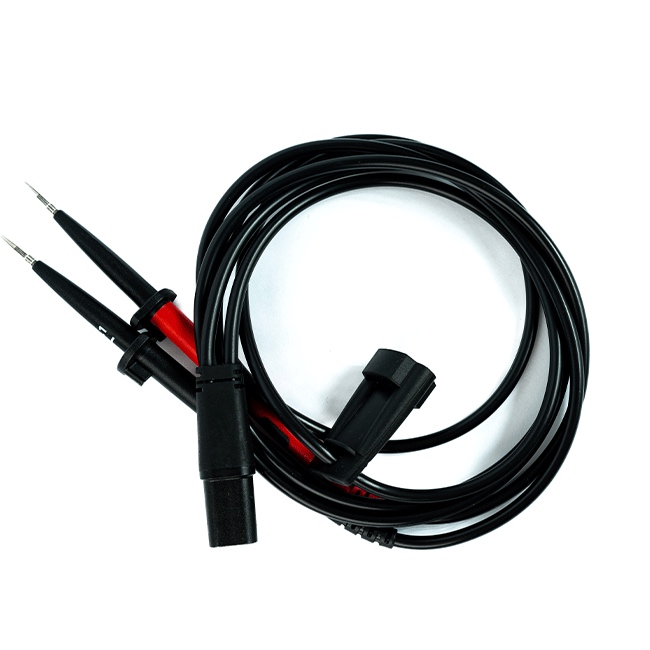
Insulation is used to cover live conducting materials, ie. the metal in the wires carrying current. This protects the user from electric shock but also helps to maintain stability so that accurate and reliable results can be obtained for common measurements such as voltage, current and resistance. Most test leads are insulated to protect the electrical tester, so insulated test leads are an important element of safety in electrical testing, but also help to ensure that a testing programme produces accurate, reliable and meaningful results.
The purpose of insulated test leads
Insulated test leads – as seen in this range of test leads supplied by Test Instrument Solutions - have a primary safety function of providing a protective barrier to reduce the risk of electric shock. The insulation around the test lead prevents the possibility of accidental contact with conducting materials and therefore electric shock. This insulation also acts to protect the conducting wires from abrasion, chemicals, moisture and impact damage. Some high quality test leads will feature double insulation as an additional layer of protection.
Using insulated test leads is a standard feature of electrical testing and installation work, and the test leads are used for diagnosing problems and faults and for testing correct connections and the functionality of live circuits, which could potentially be high voltage circuits. This testing will ensure that installations are in compliance with regulatory standards. Insulated test leads provide the link between a test instrument such as a multimeter, multi-function tester or an insulation tester and the component or circuit being tested. Most insulated test leads will be identified with a safety rating to indicate the maximum voltage they can safely handle in a test environment.
The importance of using insulated test leads
Insulated test leads are important because of the presence of a protective layer of non-conductive material around an insulated test lead. Insulated test leads are therefore a standard and basic safety element of any electrical testing application, particularly when working on or near energised circuits, as they provide an essential layer of protection against electric shock and short circuits. The use of insulated test leads as a basic safety feature also complies with the requirements of the Electricity at Work Regulations 1989 and the BS7671 – 18th Edition Wiring Regulations.
The importance of using insulated test leads can therefore be summarised as:
- Providing an essential element of safety when conducting electrical testing
- Providing protection for the conducting wires within the test leads
- Providing stable results to ensure accuracy and reliability
- Providing a demonstration of compliance with the relevant testing regulations.
Please note that this section is for information purposes only. Anyone using equipment referred to in this section must be suitably qualified and/or experienced within the respective field. If in doubt before use, please consult a qualified electrician or engineer & thoroughly read all instruction booklets.