Safety is the main driver behind electrical testing and therefore it is essential that your test instruments can be relied upon to provide accurate and reliable readings. These are used to measure, diagnose and ensure safety and are crucial for a wide range of electrical tests for parameters such as voltage, current, resistance and continuity.
The critical nature of these test instruments and the readings they produce, means we have to be certain that the readings we are receiving are accurate. There are various reasons why this might not be the case:
- Drift or faulty components – Over time an instrument can start to produce inconsistent readings purely through usage, or an internal component is faulty.
- Harsh environments – Using an instrument in harsh conditions can accelerate this drift and age an instrument prematurely, leading to results you can’t rely on.
- Electrical damage – If a test instrument experiences an incident such as overload or a voltage spike, this can damage the internal circuits and impact on the accuracy of readings. The same could apply if the instrument is badly handled or accidentally dropped.
Some instruments provide a set-up function whereby the instrument accuracy is verified prior to performing each test, but by far the best way to confirm and ensure accuracy at all times, is through a professional calibration system.
How calibration of electrical test instruments works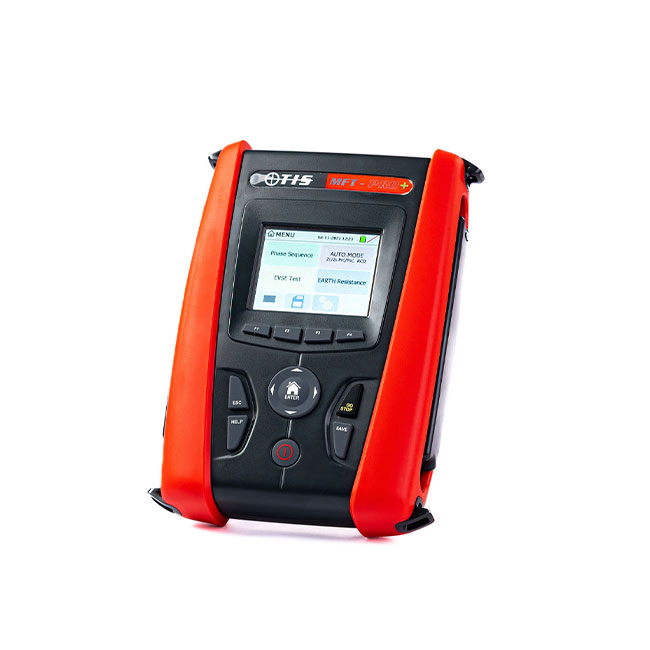
Professional calibration should be carried out by accredited laboratories on a frequency basis appropriate to the usage of the instrument and the risk element associated with the results it produces.
Calibration should include a service of the instrument, including a visual inspection for damage, alongside performing tests to verify the accuracy of the instrument against traceable standards. These tests should be recorded and documentation maintained to detail the calibration history of the instrument, along with details of any repairs or corrections made. This documentation should include the reference readings used, so that any drift from these known standards over time can be identified. The instrument should also carry a visual indication that it is within calibration and when the next calibration date is due. It is therefore clear that an instrument should not be used, and readings can’t be verified as accurate, if it is ‘out of calibration’.
Electrical test instruments should be calibrated to verify their accuracy if:
- They are used regularly, such as on a daily basis.
- They are used for verifying critical safety elements, particularly any work involving high voltages.
- They are used in harsh environments which could impact on the accuracy of the instrument, such as environments subject to dust, dirt, heat or moisture.
- They are used to produce readings for work which is bound by regulatory controls.
Most electrical testing in a commercial or industrial environment will fall under one or more of these categories, so you should consider formal calibration at least on an annual basis, but more frequently depending on usage and risk factors.
A full calibration service from Test Instrument Solutions
At Test Instrument Solutions we are able to calibrate your tests instruments in line with manufacturer recommendations as well as external standards and your internal quality and safety systems. We can manage calibration schedules with a computerised recall service and perform tests to UKAS traceable standards, ensuring your test instrument is verified as accurate at this time.
Please note that this section is for information purposes only. Anyone using equipment referred to in this section must be suitably qualified and/or experienced within the respective field. If in doubt before use, please consult a qualified electrician or engineer & thoroughly read all instruction booklets.