Any system that is installed in a building needs to be monitored and evaluated to confirm its ongoing effectiveness, and this is the same for electrical power systems. So power quality analysis is the examination of the standard parameters in an electrical system – voltage, current, frequency and waveform distortion – and other influential factors – power flow, grounding, harmonics - to confirm that electrical equipment and installations operating off the system will be operating efficiently, reliably and consistently.
Poor power conditions can impact on the quality of electrical power, which can lead to equipment failure, increased energy consumption and safety hazards. Power quality analysis, therefore, helps to maintain optimal performance and prevent these possible issues. It achieves this through using advanced measurement techniques, various analysis tools and specialist instruments, to collect data from the power systems which can then be analysed to identify anomalies or deviations from standards, which could be affecting performance.
What are the biggest factors affecting power quality?
- Power flow analysis – This examines the current pathways within an electrical system in order to assess how electricity is distributed through a building. This highlights where there may be issues causing power interruptions, voltage fluctuations or energy losses.
- Voltage – Sags and surges are the temporary loss or increase in voltage levels, and these can be identified through power quality analysis to prevent damage to sensitive equipment and to maintain stable power supplies.
- Harmonics – Harmonics are additional frequencies caused by non-linear loads and they can distort the system and lead to overheating and equipment failure. Power quality analysis can identify and mitigate these issues.
- Power factor – This measures the efficiency of electrical power consumption and power quality analysis helps to improve this so that energy isn’t wasted and the system’s capacity isn’t reduced, ensuring optimal energy usage.
- Grounding – Power quality analysis ensures grounding systems are effective and compliant and remain suitable as a vital safety measure in an electrical system.
The importance of power quality analysis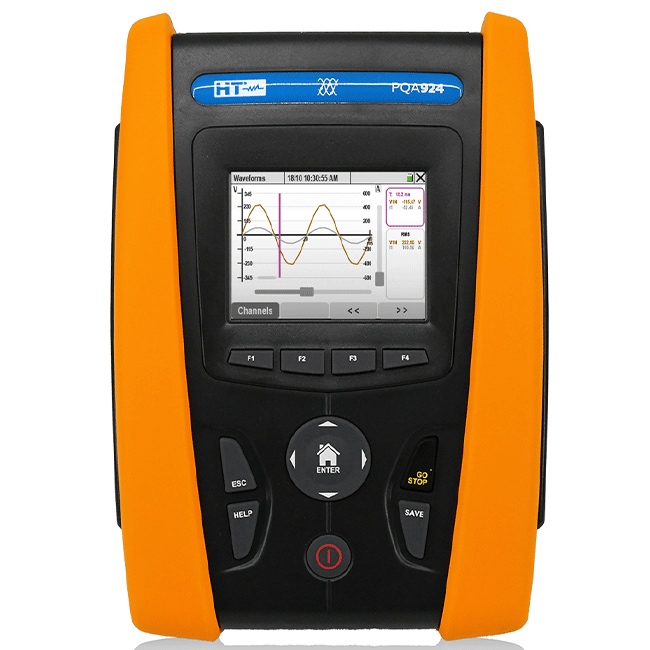
Power quality analysis helps to prevent system failures and damage to expensive and critical equipment by identifying and rectifying operational issues. For this reason it is an essential element in ensuring electrical systems operate safely, smoothly and efficiently. The main issues that power quality analysis addresses include:
- Equipment reliability – Preventive maintenance to avoid equipment failure and breakdowns, which improves equipment reliability and operational efficiency and reduces downtime costs and maintenance costs.
- Proactive assessments – Regular power quality assessments will identify issues early and prevent them escalating to costly and disruptive issues.
- Compliance – Assessment and analysis ensures that a business can demonstrate its commitment to meeting regulatory requirements for power quality and therefore to safety and environmental obligations.
- Energy efficiency – Power quality analysis addresses issues which reduce power losses, improve power factor utilisation and reduce harmonics. Corrective measures implemented have the overall effect of making energy usage more efficient and cost-effective, resulting in financial and environmental benefits.
Test equipment for power quality analysis from Test Instrument Solutions
At Test Instrument Solutions we have a range of power quality analysers for specialist use in monitoring and assessing your electrical power systems. These include the PQA924 power quality analyser.
Please note that this section is for information purposes only. Anyone using equipment referred to in this section must be suitably qualified and/or experienced within the respective field. If in doubt before use, please consult a qualified electrician or engineer & thoroughly read all instruction booklets.