Photovoltaic (PV) installations are a popular method of generating electricity from the sun’s radiant energy, and converting this into a usable output. Also known as solar PV systems, the periodic inspection and testing of these installations is a process of checking the safety elements of the installation - in terms of user safety and legal compliance - and also checking the performance of the installation. This monitors whether the system is producing the energy output you are expecting and as per the manufacturer guidelines, and therefore whether the installation can provide a return on the investment over time.
This process of inspection and testing will involve both visual checks and electrical tests, which combine to identify damage, defects, wear and tear and to verify the system is performing within acceptable parameters.
Visual inspection of a PV installation
A visual inspection of a PV installation requires a competent person to check the system modules, cable connectors, wiring and other system components such as the inverter, for visible signs of damage, loose connections and signs of excessive wear and tear, which could be a symptom of a deeper electrical problem. This visual inspection should be carried out upon the first installation and as part of the commissioning process, but it should also be carried out at frequent intervals thereafter.
Electrical testing of a PV installation
Again, this would be carried out upon commissioning the system and at regular intervals once the system is in use. A series of electrical tests will assess the safe condition of the installation and its components. This will include:
- Insulation resistance testing – this test can identify damage to wiring, cabling and other equipment.
- Continuity testing – this test can verify the integrity of earthing and grounding systems.
- Polarity checks – this test ensures that components are correctly connected.
- Voltage and current testing – this test helps to confirm the system is operating within the design specifications.
Performance testing of a PV installation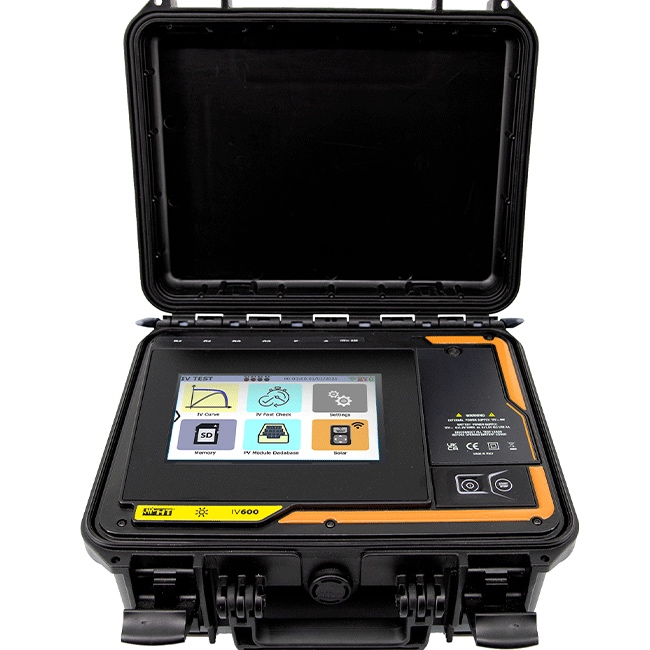
These tests are separate to standard safety testing, which verifies compliance with applicable safety standards, and instead is a series of tests which check whether the system is producing the energy output it is designed to. In order to perform these tests with accuracy and to provide useful insight into system performance, the figures should be compared to the standard test conditions supplied by the manufacturer. In other words, the actual system performance is compared to what the manufacturer states the performance should be, with an allowance applied for the real time weather conditions you are likely to be experiencing, compared to the optimal environmental conditions the manufacturer will have used. These tests should be performed upon commissioning the system, so you have accurate base line data, and at regular intervals thereafter so you can assess how the system is performing.
System performance tests should include:
- Irradiance testing – Using an irradiance meter you can check that a specific location is still receiving the irradiance levels it is supposed to be, ie. are the solar panels still located in the best position?
- I-V curve – Using an I-V curve tracer you can trace the relationship between current and voltage readings and the characteristics of the semi-conducting devices at various points. These results plot a curve and by analysing the shape of the curve you can diagnose various performance issues and identify why the solar panels may be underperforming. This could be due to shading, damaged cells in the panels or connection problems within the system installation.
So periodic inspection and testing of a solar PV installation using solar pv testing equipment, provides verification that the system is safe, compliant and effective, and these findings will be detailed in a formal report.
Please note that this section is for information purposes only. Anyone using equipment referred to in this section must be suitably qualified and/or experienced within the respective field. If in doubt before use, please consult a qualified electrician or engineer & thoroughly read all instruction booklets.